
Compare Texas pool builders before you sign
1175 pool contractors across 134 Texas cities, with exactly what each one builds confirmed from its own website, whether it states licensing and insurance, and how to reach it. Free, no sign-up, no sales calls.
- Service details confirmed on each builder’s own website
- Licensing and insurance claims recorded, never assumed
- Nobody pays to be at the top
Pool builders by metro
Pick your part of Texas. Every city page lists the builders based there, what each one builds, and which ones state their licensing and insurance.


What do you want built?
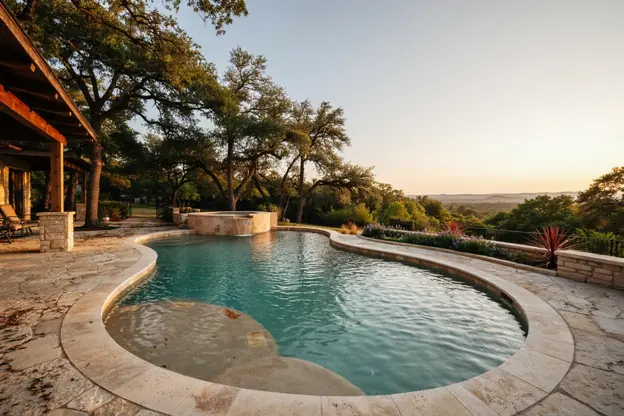
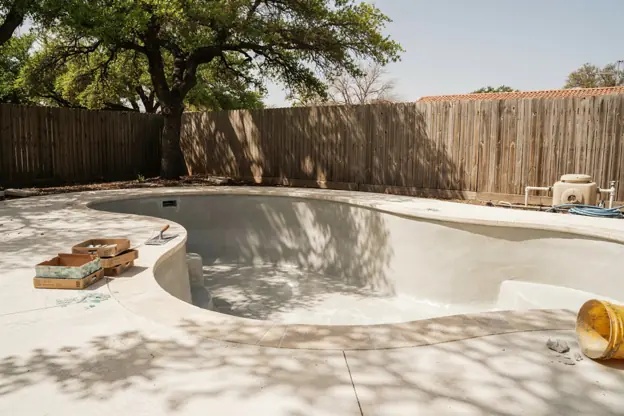
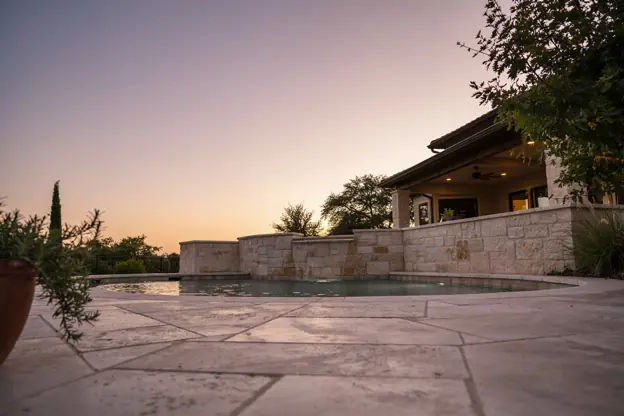
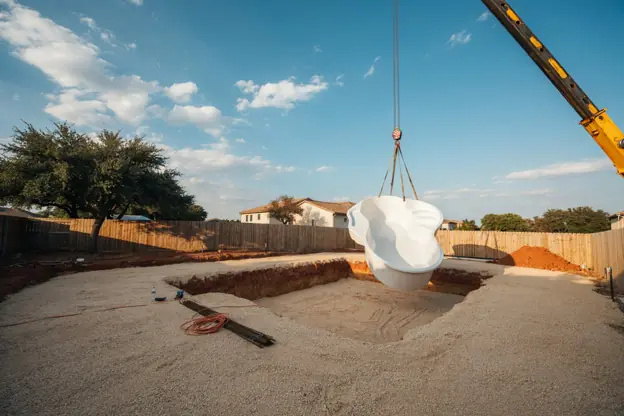
Featured Texas pool builders
Sponsored3 featured spots available
Put your company at the top for all of TexasWhat we check before a builder is listed here
The builder’s own website
We read each site and record sixteen yes-or-no facts — new pools, remodels, spas, gunite, fiberglass, outdoor living, financing, warranty and more. If the site doesn’t say, we say “not confirmed”.
Licensing, the Texas way
Texas has no state license for pool builders. We record whether a company states it is licensed or insured, and every profile explains what IS licensed — the plumber and the electrician — so you know what to ask for.
Nothing else
No star ratings copied from other sites, no paid positions in the list, no AI-generated project photos. Sponsored cards sit in a labeled band, and the list order never changes for money.
Records last checked October 15, 2026. Read the full method.
Every Texas city with pool builders
Before you hire a Texas pool builder
Lone Star Pool Guide is a directory of swimming pool builders, remodelers and resurfacing contractors in Texas, published by Local Guide Press. Every listing is pulled from public records and checked against the builder's own website and the state and city registers that exist. Nothing here is a review, and no builder pays to be listed or ranked. I'm Jenna Payne, the research editor, and my job is to show what I could confirm and say plainly what I could not.
Texas is different from most states in one way that matters: there is no state license for pool builders. That changes what you should check before you sign, and the sections below walk through it. Use the city pages to find builders who work in your area, then open a listing to see what was confirmed and the date I last checked it. If a listing is wrong, email editor@localguidepress.com and I'll fix it, usually within five business days.
Licensing in Texas: there is no state pool license
Texas licenses neither swimming pool contractors nor general contractors. The list of programs regulated by TDLR has no pool or residential construction program on it as of October 2026. Two trades inside every pool job are licensed. Electrical work, including bonding, pumps and underwater lights, must be done by an electrician licensed under Occupations Code Chapter 1305; check the name or license number in the TDLR Active License Search. Plumbing and gas lines for heaters fall under the Texas State Board of Plumbing Examiners; check the plumber in the TSBPE public license search. Cities add a registration layer. Dallas registers general contractors and names swimming pool contractors on the form. Austin registers general contractors through Austin Build + Connect. San Antonio registers residential building contractors with insurance minimums and a background check. Houston registers only the electrical, mechanical and plumbing trades. A "Texas pool contractor license" in an ad does not exist.
What the listing labels mean
Each listing shows a small set of labels. They are facts with dates, not endorsements. Details confirmed means I read the builder's own website on the date shown and the service facts on the listing, such as gunite, fiberglass, remodels or service areas, are the builder's own statements, not mine. Where the site did not say, the listing says Not confirmed. Texas has no state pool license, so there is no company license number to print; where a builder publishes a trade license or city registration number, the listing shows it with the date I checked. Verified by the business means someone at the company confirmed the listing from a company email address. Premium marks a paid enhanced profile; it never changes a builder's place in the list. Anything in a band marked Sponsored is paid placement. There are no star ratings anywhere on this site, and I do not copy them from other platforms.
Gunite, fiberglass or vinyl in Texas soil and heat
Texas soil decides more than style does. The Blackland Prairie, which runs from north of Dallas to San Antonio, is built on Houston Black clay, which the Texas Water Development Board describes as highly expansive. Much of Houston sits on similar clay. These soils swell when wet and shrink in drought, so a gunite shell needs an engineer's steel and pier design, and the bid should name that engineer. Around Austin and San Antonio, limestone and caliche make excavation slow, and many builders bill rock separately. Gunite allows any shape and can be resurfaced for decades. Fiberglass installs faster and has a smooth surface, but shape is fixed by the mold, delivery needs a crane, and an empty shell can lift in the high groundwater common near the coast. Vinyl liners cost less up front, but Texas sun shortens liner life. Whatever the shell, put the equipment pad where it can be drained fast before a freeze.
Permits and the barrier rules
Every city I checked requires a building permit for an inground pool, plus separate electrical and plumbing permits, as of October 2026. Houston takes pool applications through iPermits and ProjectDox, with a Health Department review after structural. Dallas uses DallasNow and publishes a pool checklist. Austin uses a web form tied to an Austin Build + Connect account. San Antonio issues pool permits over the counter. On barriers, the state statute surprises people. Health and Safety Code Chapter 757 covers only pools run by multiunit rental complexes and property owners associations. A backyard pool follows the city's adopted code, usually Section 305 of the International Swimming Pool and Spa Code: a 48-inch barrier, no 4-inch opening, and gates that self-close, self-latch and swing away from the pool, as in this town handout. I have now read more pool barrier handouts than anyone should.
How to compare bids and what the contract should say
Get three written bids for the same design and ask each builder for a base price with a separate options list, so the totals line up. Each bid should name the shell type, size and depth, the interior finish, tile and deck material with square footage, the equipment by brand and model, the engineer on the structural drawings and who pulls the permit. Texas has no statute that dictates the contents of a pool contract, unlike some states. Two notices are required anyway. The Residential Construction Liability Act notice must appear in bold, and a contract that can create a lien on a homestead carries the Section 41.007 warning and, under Section 53.254, must be signed by both spouses before work begins. Tie every payment to a visible milestone and collect a lien waiver on the statutory form with each one. There is no recovery fund in Texas, so money paid ahead of work is at risk.
Timeline and the best time to build
A gunite pool passes through excavation, steel, plumbing, shotcrete, tile and coping, decking, plaster and start-up, with curing time and inspections between steps. Fiberglass installs faster once the shell arrives, but the factory order adds lead time. Permit review comes first in both cases. Fall and winter are the common build windows in Texas because crews work in milder weather and the pool is ready before the first hot months. Spring is the busiest season and the wettest in much of the state, so excavation waits for dry ground. On the coast, the Atlantic hurricane season runs June 1 through November 30 and peaks near September 10, and builders pause shotcrete when a storm is forecast. Summer heat means plaster crews start early and keep the surface damp. Ask each builder for a written schedule with milestones, not just a finish date, and ask how weather delays are handled in the contract.
What I check and what I cannot
I check each listed business against the public records that exist in Texas: the business entity, the city registration where a city requires one, and any trade license number the builder publishes. I read each builder's website so the service details are its own, and I record the date. I do not visit job sites, speak to customers or verify workmanship, and I cannot tell you whether a builder will finish on time. Because Texas has no state pool license, there is no public complaint register for pool builders, which is the biggest gap in what I can offer. Court records and the Better Business Bureau are the closest substitutes. Prices on this site are deliberately absent because they go stale fast and vary by yard. When a fact depends on a rule that can change, I date it. If you find an error, email editor@localguidepress.com. Corrections are posted with the date they were made.
Texas pool questions, answered
How much does it cost to build a pool in Texas?
This directory does not publish price tables. Pool pricing in Texas moves with material costs, labor demand, the city and the yard, so any single number would go stale fast. What the editor can say is what sets the price. The shell type (gunite, fiberglass or vinyl) sets the base. Size and depth add excavation, steel and finish. Interior finish, tile, decking, equipment and water features each add a line. Site conditions matter more in Texas than many buyers expect. Expansive clay in Dallas and Houston can call for extra engineering. Limestone and caliche around Austin and San Antonio can slow the dig. The clearest way to learn current pricing is to collect three written bids for the same design in the same month.
What size pool is right for a backyard or a family?
Most Texas backyard pools fall between a small plunge pool and a 20 by 40 foot family pool. Bigger pools cost more to build, heat, fill and chemically treat, because every cost scales with surface area and volume. Many families find that a pool in the 15 by 30 range gives room to swim and play without taking the whole yard. A 20 by 40 pool suits lap swimming or large groups but needs a large lot. Setbacks limit the footprint. San Antonio, for example, requires 5 feet from side and rear property lines measured from the waterline, and no pool in the front yard, as of October 2026. Other cities set their own numbers. A builder can lay out options on a site plan before any price is set.
How long should a pool pump run, and does it use a lot of electricity?
The pump is the main electrical load on a residential pool. A single-speed pump running long hours in a Texas summer uses far more energy than a variable-speed pump turning the same water over at low speed. Pumps do not need to run all day. The goal is to filter the full pool volume at least once daily, which most owners reach with longer summer and shorter winter run times. Running during off-peak hours can cut cost on a time-of-use electric plan. A pump housing warm to the touch is normal; one too hot to touch is not. Return jets angled slightly down and to one side keep water circulating. The filter setting is for normal use; recirculate bypasses the filter and is for specific treatments. A builder or service company can set a schedule for a specific pump.
How long does it take to build a pool in Texas?
Build time depends on the shell type, the city's permit queue, the weather and the builder's schedule. A fiberglass pool can be set in days once the shell arrives, but the factory order and delivery add weeks. A gunite pool moves through excavation, steel, plumbing, shotcrete, tile, decking, plaster and start-up, each by a different crew, with curing and inspections between steps. Permits come first. Houston, for example, routes pool plans through structural review and then a Health Department review before a permit issues, as of October 2026. Spring rain can stall excavation in North and Central Texas. Hurricane season can delay coastal jobs. Homeowners should ask each builder for a written schedule with milestones rather than a single finish date.
What is the best time of year to build a pool in Texas?
Fall and winter are common build windows in Texas. Crews work in milder weather, plaster cures more evenly and the pool is ready before the first hot months. Spring is the busiest season because many homeowners want a pool by Memorial Day, so schedules fill and lead times grow. Spring is also the wettest stretch in much of the state, and excavation waits for dry ground. On the Gulf Coast, the Atlantic hurricane season runs June 1 through November 30 with its peak near September 10, per the National Hurricane Center. Some builders offer off-season incentives, but this directory cannot verify pricing claims. A backyard pool does not close after Labor Day; many Texas pools are used into October.
Are pool fences required in Texas?
Yes for any permitted pool in the cities the editor checked, but the rule comes from city building codes rather than one state statute. Texas Health and Safety Code Chapter 757 sets enclosure standards, but Section 757.002 limits it to pools owned or controlled by a multiunit rental complex or a property owners association. It does not govern a single-family backyard pool. For those, Houston, Dallas, Austin and San Antonio apply the barrier section of their adopted residential and pool codes, usually Section 305 of the International Swimming Pool and Spa Code. The core requirements are a 48-inch barrier, no opening that passes a 4-inch sphere, and self-closing, self-latching gates that open away from the pool. Smaller towns adopt similar codes. A builder should name the barrier standard for the city in the bid, as of October 2026.
What does a Texas residential pool barrier have to look like?
Most Texas cities enforce Section 305 of the International Swimming Pool and Spa Code with local amendments. Under the 2021 edition the barrier must be at least 48 inches tall measured on the outside. The gap under it may be no more than 2 inches over grass or 4 inches over a hard surface. No opening may pass a 4-inch sphere. Gates must open outward, self-close and self-latch, with the release at least 54 inches high when it is reachable from outside. When a house wall forms part of the barrier, doors and low windows that open to the pool need a listed alarm, or the pool needs a powered safety cover meeting ASTM F1346. A compliant powered safety cover can replace the barrier on a one- or two-family lot. City amendments can add to this.
What does Texas Health and Safety Code Chapter 757 require?
Chapter 757 applies to pools owned, controlled or maintained by a multiunit rental complex or a property owners association, and to the doors and windows of rental units that open into those pool yards. For those pools the enclosure must be at least 48 inches high measured from the outside, with no opening that lets a 4-inch sphere pass under or through it. Where horizontal members are less than 45 inches apart, openings shrink to 1 3/4 inches. Chain link is barred on enclosures built after January 1, 1994. Gates must self-close, self-latch, open outward and accept a lock, with the latch 60 inches high unless it is shielded on the pool side. The chapter matters to homeowners mainly in HOA communities with a shared pool. A private backyard pool follows the city code instead.
Do pool contractors need to be licensed in Texas?
No. Texas has no state license for swimming pool builders, and none for general contractors. The Texas Department of Licensing and Regulation lists every program it regulates, and no pool or residential construction contractor appears on it as of October 2026. What is licensed are two trades inside the job. Electrical work, including bonding, pumps and underwater lights, must be done by a TDLR-licensed electrician under Occupations Code Chapter 1305. Plumbing and gas lines for heaters fall under the Texas State Board of Plumbing Examiners under Chapter 1301. Cities add a layer: Dallas, Austin and San Antonio require the pool builder to register with the city, while Houston registers only the trades. Any ad that claims a "Texas pool contractor license" is describing something that does not exist.
How do I find and vet a good pool builder in Texas?
This directory does not rank builders and does not name a best one. What it can do is show the checks that matter in a state without a contractor license. Confirm the legal entity in the Texas Comptroller's search and match it to the contract. Confirm the electrician and plumber at TDLR and TSBPE. Confirm the city registration where the city requires one. Get a certificate of insurance from the insurer. Visit a job in progress and call three recent references. Collect three written bids for the same design and compare the base price and the options list separately. Keep your top budget to yourself until bids are in. Be cautious with builders who push a large deposit, refuse a written schedule or cannot explain the permit process in your city.